
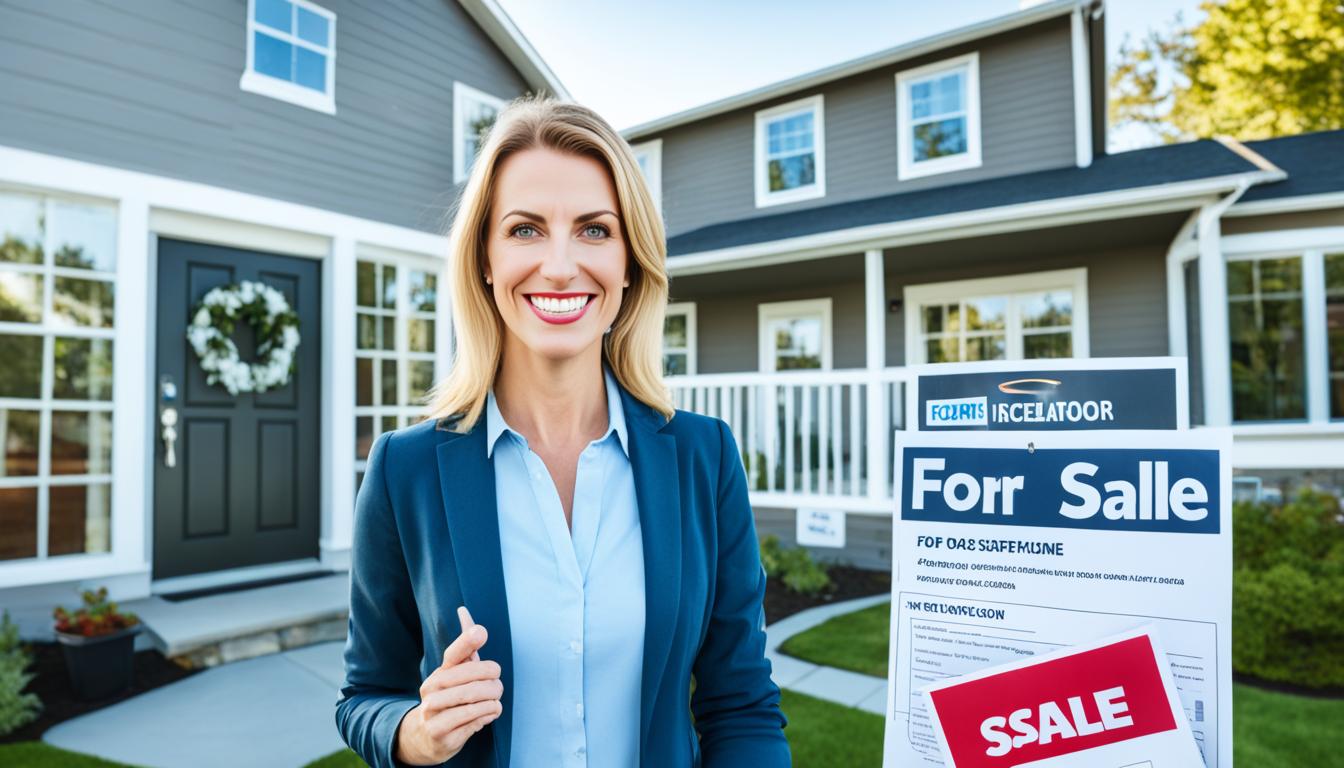
Welcome to our detailed guide on buying a home. This guide is for anyone looking to buy a house, whether you’re starting out or experienced. Buying a home can be tough, but we’re here to help you understand each step.
Understanding the home buying process helps you tackle its challenges better. You need to know your budget, work with a trustworthy agent, and carefully inspect homes. Every step requires planning and attention to detail.
Looking for a new place? Our guide has what you need to find a perfect home. Together, we can make your dream of owning a house come true. Let’s get started on this awesome buying journey.
Key Takeaways
- Understanding the home buying process is crucial for making informed decisions.
- Setting a realistic budget is the first step in buying a home.
- A reputable real estate agent can guide you through the process.
- Obtaining pre-approval and exploring mortgage options is essential.
- Efficient house hunting involves creating a checklist and attending open houses.
Setting Your Budget
Starting off, it’s vital to figure out your budget for buying a home. This budget should match what you can afford. Knowing your budget helps you focus on the right options and decide wisely as you look for a home.
First, check your finances. Look at what you earn, spend, and already owe. This overview shows your financial condition. It points out how much you can easily spend on a new home.
Think about your income each month. Figure out your debt-to-income ratio. This key number shows how much you use to pay debts against what you earn. It’s crucial for mortgage lenders. They like to see this ratio under 43% for you to get a home loan.
When your financial situation is clear, it’s time to set a proper home buying budget. Include all costs, not just the house price. This means thinking about property taxes, insurance, upkeep, and household bills.
Don’t forget about possible costs down the road, like upgrading your home or buying new furniture. Planning for these ensures you won’t face big financial challenges later.
“A budget is telling your money where to go instead of wondering where it went.” – Dave Ramsey
Having a well-structured budget helps manage your finances as you buy a home. It stops you from spending too much and lets you buy a home that’s well within your budget.
Sample Budget Breakdown
| Expense | Estimated Monthly Cost |
|---|---|
| Mortgage Payment* | $1,500 |
| Property Taxes | $250 |
| Homeowners Insurance | $100 |
| Maintenance and Repairs | $200 |
| Utilities (Water, Electricity, Gas) | $150 |
| Total Monthly Cost | $2,200 |
*Note: The mortgage payment is a sample estimate and may vary based on factors such as interest rates and loan terms.
By knowing your budget and financial limits, buying a home becomes less stressful. This informed approach helps you make smart choices. Next, we’ll look at finding a trustworthy real estate agent.
Finding a Real Estate Agent
A real estate agent is super helpful when buying a home. They know a lot, have lots of experience, and are connected to many people. This means they can help you in many ways to find and buy your dream home. To find a good agent, consider these tips:
- Ask for referrals: Talk to friends, family, and co-workers who have bought or sold houses recently. They can recommend agents they liked. Hearing about their experiences can be very helpful in finding someone good.
- Research online: Look up real estate agents in your area on the web. Check out credible real estate websites. Read reviews from other clients to see if agents know the local market well and are professional.
- Interview multiple agents: It’s smart to talk to a few agents before picking one. Ask them about their experience, knowledge of the area you’re interested in, and how they work. This will show if you’re on the same page and if they’re right for you.
- Check credentials: Make sure the agent you’re looking at is licensed and has the right certifications. You can often check this online. Choosing a licensed agent means they follow certain rules and standards.
- Communicate your needs: Tell potential agents clearly what you’re looking for and what you can afford. An excellent agent will pay attention and suggest options that fit your needs. Good communication from both sides is essential for success.
- Assess compatibility: Think about how well you can talk with the agent and how fast they respond to you. Having an agent who’s easy to reach and quick to help is important. The home buying process sometimes moves fast, so your agent must keep up too.
“A real estate agent can be your advocate, advisor, and negotiator throughout the home buying process. Take the time to find the right agent who will prioritize your best interests and guide you every step of the way.”
A great real estate agent will make your home buying experience smoother. They’ll help you understand the market, make offers, and handle the paperwork. Spend time looking for the right agent, one who shares your goals and understands what you’re looking for.
Pre-Approval and Mortgage Options
Before you start your home-buying journey, it’s key to get pre-approved and look into different mortgages. This step is crucial and will help you learn about your loan choices before making a decision.
The Importance of Pre-Approval
Getting pre-approved is an important part of buying a home. It means a lender checks your finances and decides how much they can lend you. Being pre-approved has big benefits:
- It lets you know your budget for buying a home.
- Sellers take you more seriously as they know you can afford their home.
- It speeds up the buying process for your dream home because your finances are in order.
Now, let’s look at the different types of mortgages you could get.
Exploring Mortgage Options
There are many ways to finance your home. To pick the best for you, it’s important to understand your options. This includes:
- Conventional Mortgages: Banks or lenders usually offer these. You usually need a down payment of 20%.
- FHA Loans: These are backed by the Federal Housing Administration. They help first-time buyers with low credit scores and smaller down payments.
- VA Loans: For eligible veterans, active-duty members, and their spouses. They have good rates and need no down payment.
- USDA Loans: For those with low to moderate incomes buying in rural areas. They have low rates and need no down payment.
- Jumbo Loans: For high-value properties that are too much for standard loans.
Talking to a mortgage expert can help you figure out the best mortgage for your budget and goals.
By getting pre-approved and learning about different mortgages, you’ll be ready to buy a home. In the next part, we’ll have tips on how to find your dream home.
House Hunting Tips
Finding your dream home is exciting but can also feel overwhelming. We’ve put together some valuable tips to help you through it. These pointers can boost your chances of finding a home that’s just right for you.
Create a Checklist
Start by making a checklist of what you can’t live without and what you’d love to have. It keeps you on track and helps you focus on what’s important. A checklist also stops you from wasting time on houses that don’t match your needs.
Utilize Online Resources
Don’t forget about online tools for your search. Use real estate websites and apps to look for homes that match your criteria. They offer lots of info and even virtual tours. This way, you’ll spend your time on houses you find really interesting.
Attend Open Houses
Open houses are a chance to explore homes and the area they’re in. Look at the house closely, checking for any problems or areas that need work. Feel free to ask the selling agent questions. This will help you decide if the home is a good fit for you.
Consider Location
Location is key, as it affects your daily life. Think about how close the home is to schools, shops, and work. Remember to check on the safety of the area and future development plans. The right location can make a huge difference.
Enlist the Help of a Trusted Real Estate Agent
A good real estate agent can make the process much easier. Ask around for recommendations and find someone who knows the market well. A skilled agent will offer you tips, support, and help with negotiations. They can help you find your ideal home faster and smoother.
These tips can guide you in the home buying journey. Be patient and stay determined. The right home is out there. Happy hunting!
Making an Offer and Negotiating
Once you find your dream home, it’s time to deal with the seller. Negotiating a good offer is key. It can decide the terms of the sale and affect the final price.

Consider the property’s market value and your budget. Start by looking at similar home prices in the area. This can guide you to make a fair offer and avoid paying too much.
Handling Counteroffers
The seller might come back with a different offer. This is normal and requires careful consideration. Look at the proposed price and other conditions. You’ll then decide what to do next.
Remember, negotiating needs both sides to give a little. The goal is a win for everyone. Keep communication open and be fair and respectful.
Negotiations can be about more than the price. You might discuss things like repairs or what’s included with the sale. Let your agent know what you want and they can help you navigate these talks.
Ensuring a Fair Deal
It’s critical to stay calm and focused throughout talks. Don’t let your emotions drive you. Take time to review all aspects of the offer. Discuss it with your agent or attorney to make sure it works for you.
Always do thorough inspections. Look for any major issues that could affect you. If you find any, go back to the negotiating table. You might need to adjust your offer.
By learning how to negotiate well, you can get your dream home at a good price. Have patience and a solid plan. This could lead to a deal where everyone wins.
| Benefits of Effective Negotiation | Tips for Successful Negotiation |
|---|---|
| 1. Secure a fair purchase price. | 1. Research the market to determine a fair offer. |
| 2. Include additional conditions that protect your interests. | 2. Keep emotions in check and remain objective. |
| 3. Reach a mutually satisfactory agreement. | 3. Work with a real estate agent and other professionals. |
| 4. Avoid overpaying for the property. | 4. Be prepared to compromise and find common ground. |
Home Inspection and Due Diligence
Before you buy a home, make sure to check it out well. A thorough home inspection is key. It helps spot any issues and understand the property’s real condition. This way, you can avoid future costly problems.
Importance of Home Inspection
A home inspection looks closely at a property. It checks the structure, including the electrical and plumbing systems. This process uncovers any hidden problems, like bad wiring or water damage.
The report from the inspection will show you what’s wrong. This is important for deciding what repairs are needed. It also helps when discussing repairs with the seller.
When you have the inspection, focus on big areas like the roof and foundation. Finding problems early lets you fix them. It ensures the home is safe and meets your needs.
Performing Due Diligence
Next to the inspection, due diligence is crucial. It’s all about researching the property and nearby surroundings. This helps figure out if the home fits your lifestyle and if there are any deal-breakers.
Check elements like the neighborhood’s future plans and the property’s history. Knowing about past repairs and claims is smart. It helps avoid any surprises.
Diligence also means looking at the purchase agreement closely. Understanding your legal and financial responsibilities is essential. Seek advice from experts to ensure you know what you’re getting into.
Addressing Potential Issues
If the inspection finds problems, deal with them before you buy. You might ask for repairs or a lower price. Discuss your options with your agent and a lawyer based on what issues you find.
Fixing problems early protects your investment. It ensures the home is a good buy.
Always do a thorough inspection and due diligence before buying. These steps are vital. They help avoid surprises and ensure your new home is a good investment. Carefully gathering and reviewing information is the best way to proceed.
Closing the Deal
After weeks or even months of searching, you’ve found your dream home. Now you’re at the final and exciting stage: closing the deal. At this point, you finish the paperwork, arrange financing, and meet legal needs.
It’s important to review all the contracts carefully before you buy. Make sure you really understand everything in the agreement. This includes the terms, any special conditions, and extra clauses. If something is not clear, always ask a real estate attorney or your agent.

Getting the right financing is key at this stage. If you haven’t secured a mortgage yet, now’s the time. Talk clearly with your lender and hand in all the necessary documents on time. This keeps the closing process smooth.
It’s crucial to meet all legal needs during closing. You must do a final check of the property to make sure it’s as agreed. Address any issues right away. Also, get homeowner’s insurance and switch the utilities to your name.
On the closing day, everyone will gather to sign the paperwork. This transfers the home ownership to you. It’s a big moment that ends your home buying journey. And you’ll get the keys to your new place.
Summary
Closing the deal is the final step in buying a home. It means carefully going through the contracts, getting the right financing, and finishing all the legal steps. This stage brings you closer to owning your dream home and starting a new chapter of your life.
| Steps to Closing the Deal | Tips for a Smooth Closing Process |
|---|---|
| 1. Review all contracts and agreements | 1. Consult a real estate attorney for guidance |
| 2. Arrange financing and secure a mortgage loan | 2. Communicate effectively with your lender |
| 3. Complete all legal requirements | 3. Conduct a final walkthrough of the property |
| 4. Sign the necessary documents on closing day | 4. Obtain homeowner’s insurance |
Conclusion
Successfully buying a home takes careful planning and knowing each step well. This guide will help you gain the knowledge and confidence you need. You can use it to find your dream home.
The first important step is setting a realistic budget. Look at your finances to see what you can afford. Don’t forget to include costs like closing fees and upkeep.
Then, look for a good real estate agent who gets what you’re looking for. They’ll lead you, help find the right properties, and negotiate for you.
FAQ
What is the home buying process?
The home buying process is a step-by-step journey to buy a house. It starts with setting a budget and ends with closing the deal. You’ll find a real estate agent, get pre-approved, and look at houses you might like. Once you find one, you make an offer, do inspections, and finish all needed legal stuff.
Why is it important to set a budget before starting the home buying process?
Setting a budget before you start is vital. It helps you know what you can afford and avoid overspending. This way, you’ll only check out homes that fit your budget. It makes your search more focused and efficient.
How do I find a reputable real estate agent?
To find a good real estate agent, start by asking friends, looking online, or contacting local real estate groups. Interview a few agents to see who’s best for you. Ask about their experience and make sure they get what you’re looking for.
What is pre-approval, and why is it important?
Pre-approval means the bank has figured out how much loan you qualify for. It’s a big plus when making offers because it shows sellers you’re serious. It also helps you set a realistic budget and pick the best mortgage for you.
What are some house hunting tips?
In your house hunt, make a list of what you must have and check out different neighborhoods. Go to open houses, hire an inspector, and think about resale value. Remember to stay organized and take notes when you visit homes.
How do I make an offer and negotiate with the seller?
To make an offer, write down the price and any other terms you want. Negotiations might cover things like price, repairs, or the closing date. Your agent will help you through this, so it’s important to listen and be ready to talk.
Why is a home inspection necessary, and what is due diligence?
A home inspection finds any issues with the property before you buy it. Due diligence is all about thoroughly checking out the house. These steps help ensure the property is in good shape and meets your needs.
What should I expect during the closing process?
At closing, you’ll sign many papers, settle the financing, and do a final check of the house. This is also the time to make sure everything is in order, and any last-minute issues are addressed.
What should I take into consideration before concluding the home buying process?
Before finalizing your home purchase, review all your contracts and the property’s documents. Confirm the title is clear and understand the financing terms well. It’s smart to get advice from professionals to make sure the closing goes smoothly.