
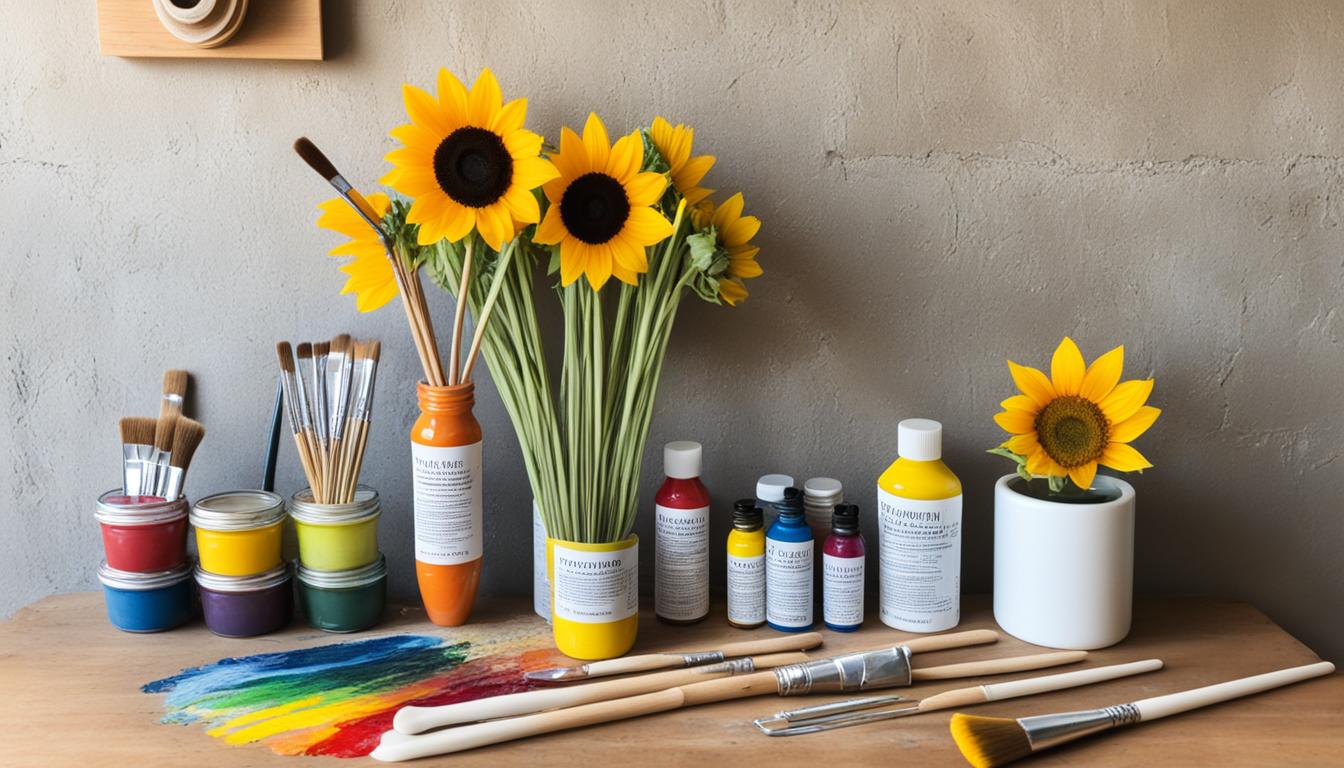
Welcome to our guide on arts and crafts! We’ll show you the exciting world of arts and crafts in the United States. Whether you’re a pro or just getting started, there’s plenty here to take your creative projects to the next level.
The arts and crafts scene in the United States is lively. Many people are using their special skills for various art forms. You can try painting, pottery, drawing, and sculpting to unleash your creativity.
This article will cover everything about creating art. You’ll learn about different ways to make art, the joy of doing it yourself, and the importance of art communities. We’ll also talk about using technology in art and how to sell your artwork.
If you need inspiration, want to get better, or wish to find friends with similar interests, you’re in the right place. Let’s explore the amazing world of arts and crafts together!
Key Takeaways:
- Arts and crafts offer a vibrant world of creativity and self-expression.
- Understanding the artistic process is crucial for successful projects.
- Explore various art mediums and techniques to find your artistic style.
- Embrace the DIY culture to personalize your creative endeavors.
- Upcycling is a sustainable way to repurpose items and unleash your creativity.
Understanding the Artistic Process
The artistic process is how creative ideas become reality. It involves stages like planning, finding inspiration, and making the art itself. Knowing this helps make arts and crafts projects succeed.
At the Planning Stage, artists picture the final art and make a plan. They think of ideas, draw early designs, and choose what to use. This step is crucial.
“The planning stage is where the seed of an idea is nurtured, allowing it to grow and evolve into a well-defined concept.”
Finding inspiration is key. Artists look to nature, culture, and life for ideas. They study and learn from others’ work, adding to their own creativity.
Exploring Different Mediums and Techniques
In the Execution Stage, artists put their plan into action. This is where the art is made. They try different styles and methods to show their ideas.
They might mix colors, use special strokes, or change materials. Every choice helps show their art’s message better.
Reflecting and Refining
Artists also evaluate and improve their work. After each big step, they look at what they’ve done. This lets them see where they can get better.
“Refining our work brings us closer to our artistic vision, creating a sense of growth and progress in our artistic journey.”
| Stages of the Artistic Process | Description |
|---|---|
| Planning | Developing a roadmap for the creation, considering ideas, sketching concepts, and selecting materials and techniques. |
| Gathering Inspiration | Seeking inspiration from various sources to fuel creativity and enrich artistic vocabulary. |
| Execution | Creating the artwork by experimenting with different mediums and techniques. |
| Reflecting and Refining | Stepping back, critically assessing the artwork, and identifying areas for improvement. |
By understanding this process, artists can face any challenge and make their unique art. It’s about learning and enjoying each step. This way, they turn their ideas into art that matters.
Exploring Different Art Mediums and Techniques
Creating great art means knowing about different mediums and techniques. We will explore the variety of art forms in this section. This will help you understand how to bring your art to life.
Painting: Painting is a broad art form full of possibilities. You can use watercolors, oils, or acrylics. Each type lets you create different styles, from realistic to abstract. Painting lets you share what you see in a creative way.
Drawing: Drawing is the basis of art. All you need is a pencil and paper. It lets you capture anything you see or imagine. Learning techniques like shading and perspective will make your drawings stand out.
Sculpture: Sculpture turns ideas into physical shapes using materials like clay or wood. You can carve, mold, or cast these materials. Sculpting allows you to make something real and touchable out of your inspiration.
Pottery: Pottery turns clay into functional or beautiful items. You can use a wheel, shape by hand, or apply glazes. It’s a way to create artworks that also serve a purpose, from plates to unique sculptures.
Printmaking: Printmaking is about making copies of an image onto paper or fabric. You can use woodcut, etching, and other methods to create prints. It’s a way to make your art available in multiple copies.
Trying different mediums and techniques will broaden your art skills. Mixing things up helps you to grow as an artist. Remember, trying new ways is how great art is often discovered.
“Art enables us to find ourselves and lose ourselves at the same time.” – Thomas Merton
Now, we’ve learned about many art forms. Next, we’ll see how doing it yourself can make your artistic journey even better.
| Art Medium | Techniques |
|---|---|
| Painting | Brushwork, blending, layering |
| Drawing | Shading, line work, perspective |
| Sculpture | Carving, modeling, casting |
| Pottery | Wheel throwing, hand-building, glazing |
| Printmaking | Woodcut, etching, lithography, screen printing |
Embracing DIY Culture
In the arts and crafts community, the DIY (Do-It-Yourself) culture is all about creativity and self-expression. DIY projects stand out because of their personal touch. They give you the chance to be truly unique. It doesn’t matter if you’re a pro or just starting. DIY lets you try new things and learn as you go.
Starting a DIY project means unlocking your creativity. You can step out of the ordinary and make something special. DIY is also about being smart with what you have. You can reuse items in cool ways.
What’s great about DIY is you can make things just how you like. You can build pieces that show who you are. Whether it’s remaking furniture, making jewelry, or painting, DIY lets you add your heart into everything.
Inspiring Examples
Let’s explore some cool DIY projects that show off creativity:
1. Handmade Jewelry: People are crafting beautiful jewelry using beads and more. You can make pieces that shout out your style.
2. Upcycled Furniture: Instead of tossing old furniture, DIY fans give them a new life. A simple paint job can make a piece stand out.
3. DIY Art Prints: Modern printing makes creating art at home easy. This means you can fill your walls with your creativity.
4. Handmade Soap and Beauty Products: Making natural beauty products is a popular DIY choice. It’s a fun way to beautify without harsh chemicals.
These DIY projects are only a few examples of the many you can do. They show off the fun, personal, and clever side of DIY.
Valuable Tips for Embracing DIY Culture
Here are some tips to get you into DIY:
- Start Small: Begin with easy projects and work your way up. This builds your skills and lets you explore.
- Research and Learn: Use the internet to find new DIY ideas and tips. There’s a lot of info out there to help you.
- Stay Organized: A tidy workspace can make DIY more fun and productive. Know where your tools and materials are for easy access.
- Experiment and Adapt: Trying new things is how you grow your DIY skills. Don’t be afraid to change your plans as you learn.
- Share and Connect: Join DIY groups online or offline. It’s great for getting inspiration and meeting people who share your interests.
Use these tips to dive deep into the DIY world. Remember, DIY is your journey to self-expression and creativity.
Unleashing Creativity Through Upcycling
Today, being sustainable is crucial, making upcycling a hit in the art world. It takes old things and makes them fresh and beautiful. This not only lets you be creative but also helps the planet.
By using old items in new ways, we avoid more trash. This reduces waste and encourages eco-friendly thinking. You get to make things that are totally your own.
Unlocking Your Creative Potential
Upcycling gets you thinking in new ways and sparks your creativity. It turns the usual items you see every day into something special. It’s about using what you have to make what you want.
Upcycling opens doors to turning the old into something amazing and unexpected.
There is no end to what you can make with upcycling. You could take old furniture, repaint it, and make it look brand-new. Or turn old jars into decorations for your home. The only limit is your imagination.
Discovering Practical Ideas and Techniques
Here are some tips to start upcycling:
- Look in second-hand stores or at yard sales for things to upcycle.
- Give old wooden furniture a fresh look by painting it.
- Use old suitcases as storage or as cool furniture.
- Wine bottles can become pretty vases or candle holders.
- Make your own art by reusing old frames and adding special things.
By trying these ideas and adding your creativity, you can make old items shine again. This lets you put your own flair in your work.
Unleash Your Creativity Through Upcycling
Upcycling is a fun way to be both creative and promote green living. With your creations, you can spread the joy of reusing to others. It’s a beautiful way to upgrade decor or give unique gifts.
Ready to dive into the world of upcycling? Let’s start with admiring this stunning art piece made from old materials:
| Image | Description |
|---|---|
 |
An upcycled masterpiece that shows the power and beauty of upcycling. |
Joining Art Communities and Workshops
Art communities and workshops help artists and craft fans connect in the creative world. They let people share their passion, find inspiration, and work with others like them. Workshops provide hands-on experiences that help develop skills and promote exploring art.
Being part of these groups opens many doors and makes your art journey better. It’s a chance to share and learn with others who love art.
Connecting with Local Art Communities
Look for art communities in your area to join. Museums, galleries, and creative spaces often hold events for artists. You can also find art clubs at schools or online through apps like Meetup.
Being active in these groups lets you work on art projects together, go to shows, and even plan events. You learn from each other, get feedback, and find friends who love art like you.
Finding and Joining Workshops
Joining workshops can make you a better artist. Schools, centers, and studios offer classes in painting, pottery, and more. They’re a great place to learn new skills from pros.
To find workshops, check local art groups and websites like Eventbrite. Decide what you want to learn then find a workshop that fits your interests. This can help you grow as an artist.
Workshops change how you see art. They push you to learn from the best and meet others who share your love. Don’t miss the chance to learn and grow with each workshop.
The Benefits of Art Communities and Workshops
Art groups and classes offer many pluses for anyone who loves making things. Here are a few benefits:
- Inspiration and Motivation: Being around creative people inspires you. Talking and working with others can boost your motivation and help you grow as an artist.
- Feedback and Critique: Getting feedback from other artists helps you improve. It shows you new ideas and helps make your work better.
- Build Connections: These places are great for meeting people in the art world. Making art with others could lead to fun new projects or ways to show your work.
- Lifelong Learning: Workshops introduce you to new art skills and styles. They help you learn and grow as an artist throughout your life.
Joining art groups and going to workshops can really help your art career. They offer a lot for both your art and your life.
Incorporating Technology in Arts and Crafts
Technology has changed arts and crafts, letting us all be more creative. Artists and crafters can now use new tools to make their work even better. Let’s see how adding technology can make your projects more fun.
1. Digital Art Tools
Many artists and crafters love working with digital tools now. These tools let you paint, draw, and design on a computer. You can play with brushes, colors, and textures just like on real canvas. This freedom lets you try out all kinds of cool new styles.

2. 3D Printing
3D printing is a game-changer in arts and crafts. It takes digital designs and turns them into real things. Imagine making your own jewelry, figurines, or decorations. 3D printing means you can bring your ideas straight into the real world.
3. Virtual Reality
Virtual reality, or VR, is making art more interactive. It lets you walk into a digital space and experience art hands-on. Artists can make digital galleries for people to explore. VR is a new way to tell stories and be truly creative.
“Incorporating technology into arts and crafts allows us to push the boundaries of creativity and explore new artistic frontiers.”
From digital tools to 3D printing and VR, tech is full of creative opportunities. Trying out these new tools can open doors to new ideas. It can help you make art that’s one-of-a-kind and very cool.
Showcasing and Selling Your Artwork
After creating your art, showing and selling it is key. As an artist, sharing your work with more people is exciting. We’ll give tips on how to display your art well and sell it effectively.
1. Displaying Your Creations
Showcasing your art well matters a lot. Here are some tips to make your art stand out:
- Pick frames or mounts that make your art look its best.
- Think about the light in the space. Good light makes art more impressive.
- Have a theme that connects your pieces and tells a story.
- Try different setups to see what looks most appealing.
The aim is to grab viewers’ attention and make your art memorable by showing its special elements.
2. Participating in Art Exhibitions
Art shows are great for reaching more people. Here’s how to do well in them:
- Look for local exhibitions and openings.
- Have a great portfolio ready to show your best work.
- Meet others at the show to make friends and get noticed.
- Join art competitions for more chances to shine.
Joining exhibitions helps show your work and meet others in the art world.
3. Setting Up an Online Portfolio
In the digital world, an online portfolio is vital. It helps you reach more clients and fans. Here’s how to make yours great:
- Make a professional website or use a portfolio site to show your art.
- Put up top-notch photos of your work with info about each piece.
- Tell about yourself and your art to interest people.
- Share your site on social media and with other artists.
With an online portfolio, anyone can see your work anytime, helping you reach people who love art.
4. Exploring Art Markets and Galleries
Markets and galleries let you meet buyers face-to-face. Here’s what to consider:
- Find markets and galleries that fit what you do and who you want to reach.
- Contact them to see if you can show or sell your art there.
- Go to market events to meet other artists and people who love art.
- Think about working with galleries to show and sell your work.
Art markets and galleries are good for getting your art seen and sold, and for meeting those who love art.
Getting your art out there is key to success. Use shows, online spaces, and markets to share your art. Exploring these options helps you find your art’s fans and earn from your talent.
Conclusion
This ends our journey through American arts and crafts. We shared tips and trends to spur your creativity. Whether you’re just starting or experienced, there’s much to enjoy in the art world.
We explained how art is made and the DIY spirit. We talked about using different materials and trying new techniques. We also looked at ways to reuse old things, making the most of what we have.
Joining art groups and workshops can help you improve and make friends. We also talked about using tech in your art to open new doors. This can make your work even more interesting.
To show and sell your art, we gave advice on how to get your work seen. We discussed both online and in-person places to share your work. We hope this article helps you start exciting art projects that make you happy.
FAQ
What are some tips for exploring arts and crafts?
We offer expert tips for your creative projects in the United States. We help from finding inspiration to executing your ideas.
How can I understand the artistic process?
Learn about the stages of art creation. Understand how to plan, get inspired, and bring your ideas to life.
What types of art mediums and techniques will be explored?
We’ll look at various mediums like painting, drawing, and pottery. You’ll find different techniques to make your visions real.
What is the DIY culture and why is it popular in arts and crafts?
DIY lets you make your creative works unique. Get inspired by DIY and learn how to dive into it.
How can I unleash my creativity through upcycling?
Upcycling turns old stuff into new art. We’ll share ideas to unleash your creativity through upcycling.
How can I join art communities and workshops?
Find and join local art scenes and workshops. Networking helps you meet artists and grow creatively.
How can I incorporate technology into my arts and crafts projects?
Use tech like digital tools and 3D printing in your art. Learn to apply technology to your craft projects.
What are some tips for showcasing and selling artwork?
Find out how to show your work, be in exhibits, and sell online. Explore ways to get your art out there.
What are the key takeaways from this article?
This article ends with a summary on arts and crafts exploration. We hope it inspires you on your creative journey in the United States.