
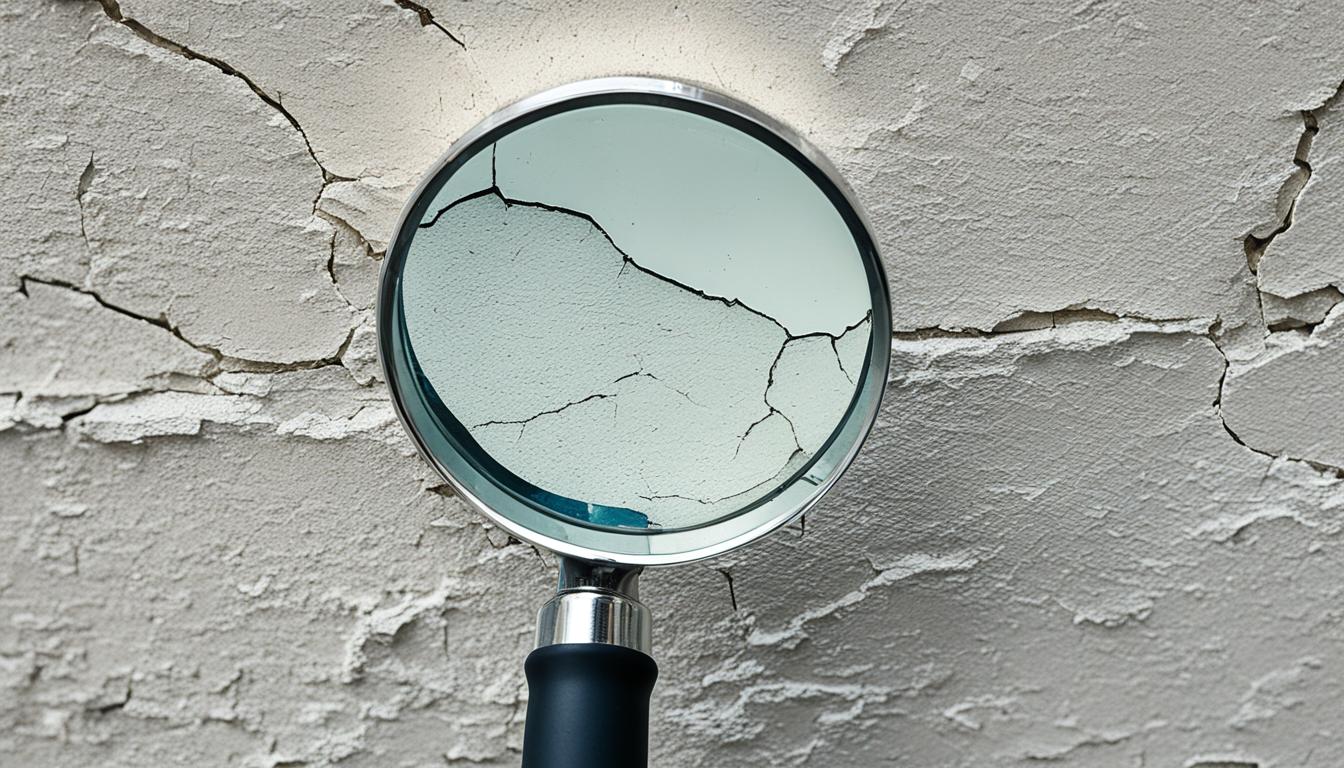
Welcome to our detailed guide on home inspections for buyers. If you’re buying a home for the first time or you have before, knowing why a home inspection matters is key. This guide is full of expert advice and tips. It will help make the home inspection process easy for you.
Buying a home means you must do a thorough home inspection. This step helps you spot any issues before buying. It brings peace of mind and clear understanding as a buyer. With the right preparation and a skilled home inspector, you can learn all you need. This knowledge is essential for wise decision-making.
Key Takeaways:
- A home inspection is an essential step for buyers to protect their investment.
- It helps identify potential issues and ensures transparency.
- By hiring a qualified home inspector, you can gain expert insights on the property.
- Preparing for the inspection and understanding the report are crucial for making informed decisions.
- The inspection report can be used to negotiate repairs or price reductions.
Why is a Home Inspection Important for Buyers?
Buying a new home is exciting but includes risks. A detailed home inspection is a key step not to miss. It tells buyers everything about the home’s condition, letting them make smart choices and avoid problems.
Identifying Potential Issues
A home inspection uncovers any hidden problems in the home. Issues with the structure, damage you can’t see, and more are all checked. Early detection of these problems helps buyers decide if they want to fix them.
Ensuring Transparency
This check balances the deal for both buyers and sellers. It gives an honest look at the home’s state, showing any secrets. Buyers and sellers then can discuss repairs or price changes based on the report’s details.
Peace of Mind for Buyers
Knowing your new home is in good shape is a huge relief. It’s a step towards making a confident choice. Understanding what needs care and what’s good lets buyers move forward without worry.
“Importance of Home Inspection” Table
| Benefits of a Home Inspection | |
|---|---|
| Identifying potential issues | ✔️ |
| Ensuring transparency | ✔️ |
| Providing peace of mind | ✔️ |
| Assessing property’s condition | ✔️ |
| Opportunity for negotiation | ✔️ |
Hiring a Qualified Home Inspector
Buying a new home comes with the need for a complete check. It’s vital to hire someone skilled. They should have the knowledge to do a thorough and precise job.
Several important things should guide your choice when looking for a home inspector:
- Certifications: Pick an inspector with the right certifications. This includes licenses and belonging to professional groups. It also covers any special training they might have.
- Experience: Choose someone with a lot of experience. They’ve seen many situations and will better spot any problems.
- Reputation: Check what others say about the inspectors you’re considering. Look online for reviews and listen to advice from people you trust.
To find the best inspector, do your homework. Look up several inspectors, then compare them before you choose. This way, you can make a good, educated pick.
What to Look for in a Qualified Home Inspector
Here are the important qualities a good inspector should have:
- Attention to detail is key. They should check every part of the home with care.
- They need to be good at communicating. This helps you understand their reports and advice.
- Objectivity is vital. They should be fair and offer a neutral view on the home.
- They should know a lot about building, construction, and common home problems.
- Make sure they give you a detailed report. This must cover all they found, from big to small issues.
Remember, choosing the right home inspector is crucial. Their knowledge will guide your decisions. They help ensure your new home is a sound investment.
“A qualified home inspector provides the confidence you need for such a big decision.”
Preparing for the Home Inspection
Being a buyer, getting ready is crucial for a good home inspection process. With the right steps before the inspection, you can make the whole thing smoother. You’ll also get the info you need to decide wisely. Here’s how to get ready:
Gather Necessary Documents
Before the inspection, collect all important docs for the house. This means things like warranties, permits, and renovation records. These can give the inspector a better picture of the home’s history and systems.
Ensure Access to All Areas
Ensure the inspector can reach every part of the house. Remove any clutter or stuff that could block their way. This step makes a thorough inspection possible, ensuring they spot all possible issues.
Prepare a List of Questions
Have a list of questions ready about the property. This guide will make sure the inspector talks about all your concerns. Knowing the home’s true condition is crucial, so speak up about what you want to know.
Observe the Inspector’s Process
It’s smart to be there and watch during the inspection. This lets you see any problems yourself and ask questions on the spot. It’s also a chance to pick up tips on caring for your home in the future.
With these tips, you can face the home inspection with confidence. Remember, the inspection can only catch some issues. Use the report to help make a smart choice about buying or not.

What Does a Home Inspection Cover?
During a home inspection, experts look into various parts of the house. They check everything carefully to make sure the home is safe and sound. Let’s see what areas the inspection focuses on.
1. Foundation and Structure
The inspector starts by looking at the foundation and overall structure. They are searching for any big issues like cracks. This part of the inspection is key to knowing if the house is stable and will last for a long time.
2. Roof and Exterior
Next, they study the roof and outside. They examine the siding, windows, doors, and gutters. Their goal is to find signs of damage or poor condition. They also check the roof’s state and how old it is. This helps see if repairs or a new roof are needed.
3. Plumbing
Now, it’s time for the plumbing. The expert looks at the pipes, faucets, and more. They check for leaks and if everything meets building codes. Ensuring the toilets and showers work well is part of this step.
4. Electrical Systems
After that, the inspector turns to the electricity. They examine the electrical panel, wiring, and outlets. Safety and code rules are big focuses here. They want to make sure the house is safe from electrical problems.
5. HVAC Systems
The heating and air condition systems are next. The inspector will look closely at the furnace and AC unit. They check the ducts to see if things are working right. The aim is to make sure you’ll have heat and cool air when you need them.
6. Interior Features
Inside the home, they look at the walls, floors, and more. They’re checking for damage and moisture issues. Stairs and railings are also inspected. This tells us about the general care for the home.
7. Insulation and Ventilation
Insulation and airflow in spaces like attics are very important. The inspector looks to see if your home is energy efficient. They ensure there’s enough insulation and ventilation in these areas. This helps keep your home cozy and saves on energy bills.
8. Additional Components
Some homes have special features like fireplaces or pools. The inspector will give these a close look as well. They check for any safety issues. This part of the inspection considers all the unique parts of your home.
A full inspection covers every important aspect. This helps buyers understand the house they’re looking at. The report will detail everything found. It’s a key document for negotiating or planning future repairs and updates.
Common Issues Found During Home Inspections
When a home gets inspected, inspectors might find different issues. These can range from small worries to big red flags. Knowing these problems helps buyers make smart choices. It also keeps the property safe and strong for a long time.
Structural Problems
Home inspections often show structural issues. These can be foundation cracks, floors that aren’t level, or roofs that are sagging. Fixing these structural issues can cost a lot. They might also show there’s big damage to the house’s structure.
Mold and Water Damage
Mold and water damage are issues that home inspections commonly reveal. Too much moisture and water getting in can cause mold. Mold is bad for health and can also damage the property.
It’s key to deal with mold and water issues fast. This stops further harm and makes the air inside better.
Electrical and Plumbing Concerns
The home’s electrical and plumbing systems are very important. Inspectors might find problems like bad wiring, old electrical panels, or leaks. These issues can make living in the home less safe and functional.
Roofing Issues
The roof must be in good shape to protect the home. Inspectors might see missing shingles, bad flashing, or water signs. A bad roof leads to water damage and expensive fixes if not dealt with quickly.
HVAC System Problems
The HVAC system’s role is to keep the home comfortable. Inspections can uncover issues like poor cooling or heating, broken thermostats, or dirty filters. Having the HVAC system work well is crucial for comfort and saving energy.
These problems are just a few that home inspections might discover. Buyers should read the inspection report carefully. They should also talk to experts to understand the issues fully. With the right information, buyers can ask for fixes or decide if they still want to buy.
Evaluating the Inspection Report
Once you have the inspection report, it’s time to understand what it says. This report gives a detailed look at the property. It shows any problems or worries found during the inspection.
It’s key to look at a few things when dealing with the inspection report:
- Severity of Issues: Look closely at how serious the problems are. Some may be small and easy to fix. But, others might be big and need urgent action. Think about what affects the safety, working condition, and value of the property most.
- Relevance to Your Needs: See how the reported problems match your needs as a buyer. This means looking at your budget, timeline, and if you’re willing to fix things. Focus on what matters most for your buying choice.
- Expert Advice: If you’re not sure how bad certain problems are, talk to professionals. This includes contractors or specialists. Their advice can really help you understand and decide what to do.
Remember, the inspection report is only part of the picture. Use it as a guide for more checking and decisions. After seeing the report, you might need more inspections or want to talk more with the seller.

Understanding the inspection report well is vital. It helps you confidently deal with the next steps. This way, you can wisely decide about the property and its state. You make sure it’s a good investment.
Negotiating Repairs or Price Reductions
After getting the inspection report, it’s time to negotiate. Use the report to ask for repairs or a lower price. It includes vital info that may lead to repairs or a price cut from the seller.
Negotiating repairs:
If the report shows big problems, ask the seller to fix them. First, list the repairs that are most important for safety and livability. Give the seller a detailed list and costs from pros. This makes your case stronger.
Price reductions:
You can also talk about a lower price if the repairs are too much. This might be easier than asking for repairs. Your agent can help figure out a fair new price. They consider repair costs and the home’s value.
Stay in touch with the seller while discussing fixes or price drops. Being kind and showing facts works better than fighting. It helps to talk openly and to listen to the other party’s views. This can lead to a deal that works for both of you.
Remember, talking things out is key when buying a house. Both sides need to give a little. The aim is to find a win-win solution. Stay focused on what’s best for your future home.
Specialized Inspections and Additional Considerations
When you’re buying a property, special checks are key. They ensure everything is looked at closely. Besides the usual check, the place might need more checks. This is if there are unique features or it’s in a special place. These extra checks help buyers know more.
This lets them make smart choices and keep their money safe.
Termite Inspections
Termite checks are very common. Termites can damage a home a lot. They can cost a lot to fix. These checks find termites if they’re there. They also see how bad the damage is. This is really important if termites are common where the house is. Or if the house had termites before.
Radon Testing
Radon is a harmful gas you can’t see or smell. It’s more common in places with a lot of uranium in the soil. Breathing in too much can hurt your health. Radon checks measure how much gas is in the house. If it’s too high, steps can be taken to lower it. This keeps you and your family safe.
Pest Inspections
Along with termites, checking for other pests is also wise. Inspections look for rodents, ants, and cockroaches. They see if there’s already an infestation. Or if things in the house might attract pests. Getting rid of pests before buying can save money and health problems.
Environmental Inspections
Some homes need more checks based on where they are and what’s in them. These checks look at things like asbestos, mold, and lead paint. Knowing if these are a problem is important. It keeps everyone safe and follows the rules.
Special checks bring more insight before buying a home. They help buyers understand what needs fixing. Or if the price should be lower. This way, buyers make the best choices. They get the most for their money.
“Special checks find problems a normal check might miss. They give a detailed look at the home’s shape. This helps buyers decide with confidence.”
Not every home needs these extra checks. It depends on the home’s age, where it is, and if there are any known problems. Talking to an expert home checker is a good idea. They can recommend which checks are a must.
| Specialized Inspections | Additional Considerations |
|---|---|
| Termite Inspections | Prevalence of termites in the area |
| Radon Testing | High levels of uranium in the soil |
| Pest Inspections | Presence of rodents, ants, or cockroaches |
| Environmental Inspections | Potential environmental hazards like asbestos, mold, or lead-based paint |
DIY Home Inspections and Alternative Options
Hiring a professional home inspector is the best choice. Yet, some people might want to do their home inspection. Knowing the limits and risks of this is crucial.
DIY Home Inspections
Doing your home inspection means looking at the property yourself. This can save money, but it might not catch everything. Professionals are trained to find all issues. Novices could miss something big, affecting the property’s value or safety.
A DIY inspection is no replacement for a pro one. Experts can uncover hidden problems like bad structure or plumbing. But a visual check by you can raise flags and help decide on a pro inspection.
Areas to check on your DIY inspection include:
- Outside condition, like the roof and walls, and drainage systems.
- Inside, look at walls, floors, and windows for damage or dampness.
- Test electrical outlets, switches, and lights.
- Check plumbing like faucets and toilets for leaks.
- Examine the HVAC system for signs it’s working correctly.
Remember, a DIY inspection is just a start. Always get a professional if you find issues. They’ll give a full evaluation.
Alternative Inspection Methods
There are other ways to inspect a home, not just the usual ones. It depends on what you need.
“If termites are common where you live, a special termite check is wise. It looks for current or past termite damage. This can save you from big repair bills later on.”
Other options include:
- Radon Testing: Radon is a dangerous gas with no smell. Test for it in areas where it’s a concern to be safe.
- Mold Inspection: For properties with a damp past, a mold check is smart. It tells you about health risks from mold.
- Septic System Inspection: If there’s no city sewer, check the septic system’s health and function.
Looking into these extra checks gives a better picture of the property. It can address specific worries about the home or its location.
Conclusion
A home inspection is crucial for buyers. It protects their investment and checks a property’s safety and quality. It gives key info about the home’s condition, aiding in smart buying choices. By using the detailed guide, buyers can face the home inspection process with ease.
This guide laid out why a home inspection matters. It showed how to pick a good home inspector and get ready for the inspection. We covered what areas inspectors look at and typical problems they find. Plus, we shared advice on reading the report and handling repair or price talks.
We also talked about special inspections and extra steps based on the property’s features. Finally, we explored DIY inspections and other methods. But we made sure to note their downsides and risks.
Understanding a home inspection’s worth is key. With the info in this guide, buyers can handle the process better. A detailed home inspection brings clarity to the buying journey. It spots possible problems and gives peace of mind. So, take steps to safeguard your investment and decide wisely when buying a home.
FAQ
Why is a home inspection important for buyers?
A home inspection is key for buyers. It detects potential property problems. This process ensures honesty and helps buyers feel secure.
It lets buyers know what they’re getting into. They can use the inspection report to make smart choices. They can also talk about fixing problems or lowering the price with the seller.
What factors should I consider when hiring a home inspector?
Choosing a home inspector? Look at their certifications, past work, and reviews. Pick someone who knows the type of home you’re buying.
Make sure they’re qualified and have a good history. This way, you can trust their inspection findings.
How can I prepare for a home inspection as a buyer?
Getting ready for an inspection? Collect important papers, like the home’s layout and past checkups. Make sure all areas are open for looking, even the hard-to-reach ones.
Write down any issues that worry you. The inspector can check these carefully.
What does a home inspection typically cover?
A home inspection checks many parts of the house. It looks at the base, the walls, the roof, and more. These checks are to catch any hidden problems.
What are some common issues found during home inspections?
Common surprises include bad wiring, leaks, and broken roofs. There could also be big issues like a shaky foundation.
Water damage and mold are sometimes found. Problems with the AC or heating can also pop up. These issues need to be checked by experts. They might mean you need to talk about the price again with the seller.
How should I evaluate the inspection report?
When you get the report, focus on the main problems. Find out if anything is a safety risk. Think about the seriousness of the issues.
If it’s serious, get advice from specialists. The report will help you decide about fixing stuff or lowering the price. You might also need more checks or to discuss more with the seller.
Can I negotiate repairs or price reductions based on the inspection report?
Yes, you can talk about fixing things or making the price lower. Share the report with the seller. Talk about the problems you want fixed.
Your real estate agent can help you with the negotiation. They make sure everything is fair.
Are there any specialized inspections I should consider?
Some homes may need special checks. This could be for termites, radon, or the sewer. Your agent or the inspector can say if you should get these.
They help make sure you know everything about the home. This way, you won’t have any surprises later.
Can I conduct a DIY home inspection?
You can inspect the home yourself, but it’s better to get an expert. They are trained to find all problems. An expert’s check is more likely to be complete.
If you want to try yourself, get a checklist. Learn about common issues in houses. This will help you do a better job.
What is the importance of a home inspection for buyers?
For buyers, inspecting a home is crucial. It safeguards their investment and life quality. It uncovers hidden issues, allowing for negotiation.
Inspections help buyers make wise choices. They offer peace of mind in the home buying process.