
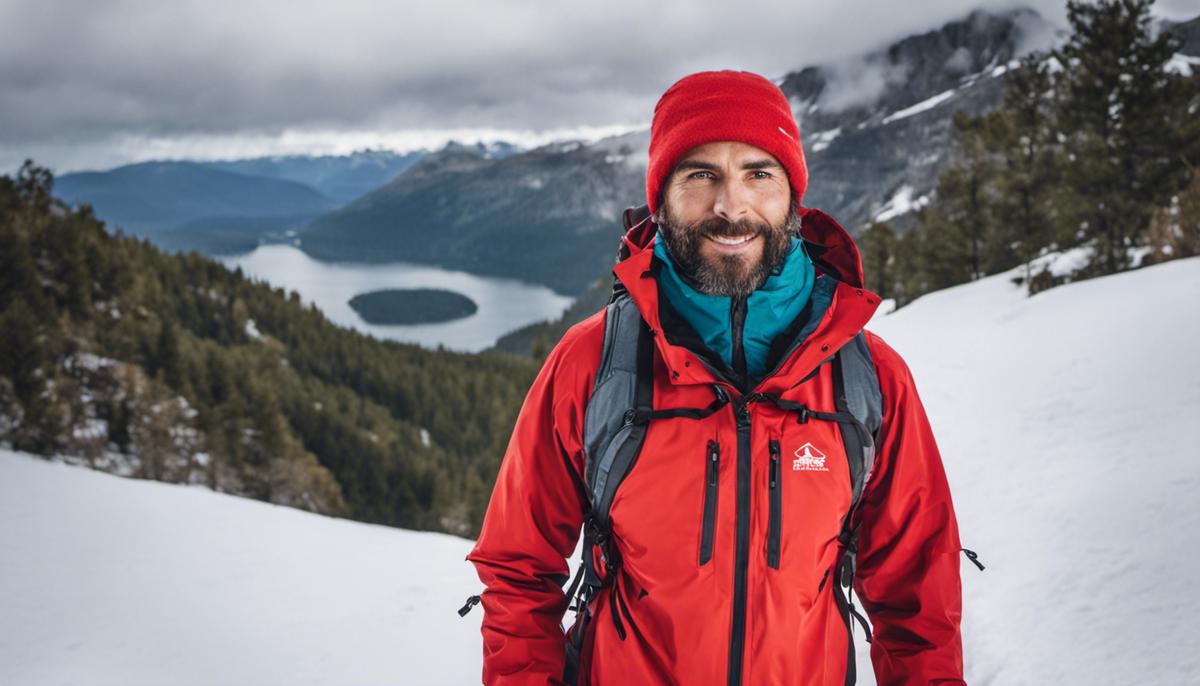
Preparing for a thrilling hike begins way before setting foot on the trail. Selecting the right attire and gear is paramount to ensuring comfort and safety during your expedition. Regardless of your level of experience in hiking, understanding the dress basics, picking the right gear, and drawing inspiration and reviews from the hiking community is of utmost importance. In this comprehensive guide, we deep-dive into these facets, intending to equip you with all the necessary knowledge for your next hiking adventure.
Understanding Hiking Dress Basics
Layering Principle in Hiking Clothing
Dressing up for a hike effectively comes down to understanding and applying the principle of layering. This concept hinges on the idea of wearing multiple layers of clothing, with each layer fulfilling a unique function. The beauty of layering is that it allows for flexibility in changing weather conditions and varying levels of activity. Read “The Art of Layering While Hiking: An Ultimate Guide” to learn more (add link later).
Base Layer: Moisture Management
Your base layer, or the clothing closest to your skin, should primarily manage moisture. This layer is crucial because it helps pull sweat away from your skin to keep you dry and prevent you from catching a chill when you start cooling down. Choose materials such as merino wool or synthetic fabrics like polyester for your base layer. They’re excellent at wicking away moisture and dry fairly quickly. Avoid cotton as it tends to retain moisture and can leave you feeling cold and uncomfortable. See “Choosing the right Base Layer for Hiking: A Detailed Guide” for sound advice on this aspect (add link later).
Mid Layer: Insulation
The mid-layer is intended to provide insulation and retain your body heat to keep you warm. The best materials for this layer are fleece, down or synthetic fill, and heavier merino wool. These fabrics trap air warmed by your body while still wicking moisture away. A common go-to option for this layer would be a lightweight fleece or a puffy vest or jacket. Watch out for a post on “Insulation Basics: How to keep warm on the trails” to help you choose your mid-layer (add link later).
Outer Layer: Weather Protection
Lastly, the outer layer is typically a shell that offers protection from the wind, rain, or snow. This layer should be breathable yet sturdy enough to shrug off any weather you might encounter. This shell layer could be a lightweight rain jacket, a more casual softshell, or a heavy-duty hard-shell jacket. Ensure this layer is waterproof or at least water-resistant to handle unexpected showers. Check out “Finding the Perfect Hiking Jacket: Ultimate Shopping Guide” to help you with this choice (add link later).
Tip: Dress for the Coldest Temperature
When getting dressed for your hiking trip, remember to dress for the coldest possible temperature that you may experience. You can always shed layers if you get too hot. With these, you should be well equipped to decide what to wear on your hiking expedition based on the intended weather and trail conditions.
Selecting the Right Hiking Gear
Choosing Appropriate Hiking Shoes
One of the most crucial items in dressing up for hiking are your shoes. Opt for a pair specifically designed for hiking. According to The Big Outside blog, you should choose footwear that is well-made and fits your feet without causing discomfort. This can range from hiking shoes to backpacking boots depending on the nature of your hike. Take into account the terrain, distance, and your own preference when making your shoe choice. Read this article for a deeper dive into choosing the right hiking shoes: https://thebigoutside.com/gear-review-the-5-best-hiking-boots-i-tested-in-2016/
Packing Your Backpack Wisely
The right backpack for hiking is essential. It should provide you with enough storage for all the necessities – water, food, clothing, and essential survival gear – while also being comfortable and lightweight to carry. OutdoorGearLab suggests a capacity of 11 to 20 liters for most day hikes, and offers a comprehensive guide to picking the perfect backpack, including top picks and important features to consider here: https://www.outdoorgearlab.com/topics/camping-and-hiking/best-daypack-hiking
Optional Hiking Equipment
There are also optional pieces of equipment that can enhance your hiking experience. Hiking poles, for instance, help with balance and reduce impact on your knees, particularly on steep descents or uneven terrain. Adventure Alan talks about the benefits of hiking poles and how to properly use them: https://www.adventurealan.com/trekking-poles-hiking-sticks/
Gaiters are another optional gear that you might want to consider. They are particularly helpful when you’re expected to encounter brushes with thorny plants, mud or snow. REI provides an in-depth guide on gaiters, including when to wear them and how to choose the right size and type: https://www.rei.com/learn/expert-advice/gaiters.html
Dressing for Weather Conditions
Lastly, you should take the weather into account when dressing up for a hike. This means layering your clothes during colder months or opting for light, breathable material in hot weather. This article from Bearfoot Theory outlines how to dress for hiking in all types of weather and during all seasons: https://bearfoottheory.com/how-to-dress-for-hiking/
Remember that dressing for a hike isn’t just about fashion, but also about safety, comfort, and preparedness. Equip yourself appropriately to make the most of your outdoor adventure.
Photo by lukealrich on Unsplash
Examining Hiking Outfit Inspirations and Reviews
Do Your Homework
Before leaving the comfort of your home, do some thorough research on the terrain and climate of your hiking spot. Blogs like The Hiking Adventure offer comprehensive guides about various trails around the world, where seasoned hikers share their experiences. By doing necessary homework on the weather conditions and duration of the trail, you can plan your attire accordingly.
Dressing in Layers
It is always a good idea to dress in layers during a hike. The Hiking Guy’s blog post breaks down how to layer clothes for any hike – starting with a moisture-wicking base layer, an insulating middle layer, and a waterproof outer layer for protection against the elements.
Choose Breathable Fabrics
Choosing the right fabric is crucial. Avoid wearing cotton as it absorbs moisture and can make you feel colder. Look for lightweight, breathable and quick-drying fabrics such as merino wool or synthetic materials. Pro hiking blogs like Clever Hiker frequently talk about comfort and importance of the right fabric in hiking gear.
Protective Gear
Apart from clothing, protective gear is equally important. A hat or beanie to protect you from sun or cold, sunglasses to protect your eyes, and gloves to keep your hands warm are all important. Also, consider packing a poncho or a raincoat in your backpack as weather in mountains can be unpredictable.
Find the right footwear
Nothing can ruin a hike faster than uncomfortable shoes. Depending upon the terrain, you might need anything from lightweight trail runners to sturdy hiking boots. The Big Outside by Michael Lanza is a great resource for reviews and recommendations on hiking shoes.
Hiking Accessories
Ensure your comfort by investing in good quality hiking socks. Other accessories like trekking poles or gaiters can also come in handy. Outdoor Gear Lab’s various review posts can help you find the right brands as per your needs.
Remember, dressing for a hike is not just about looking good, it’s about being prepared for the unexpected. You should be comfortable and protected against the elements while you enjoy your adventurous trek.
We hope this guide has not only enlightened you about hiking dress basics and gear selection but also provided you with a snapshot of real-world experiences shared by fellow hikers. A careful choice of your attire and components can make your hiking experience rewarding, comfortable, and safe. Dive into the world of hiking, armed with a wealth of information, and experience the exhilaration that comes with gracing the trails with confidence in your gear, and an eagerness to conquer what lies ahead.