
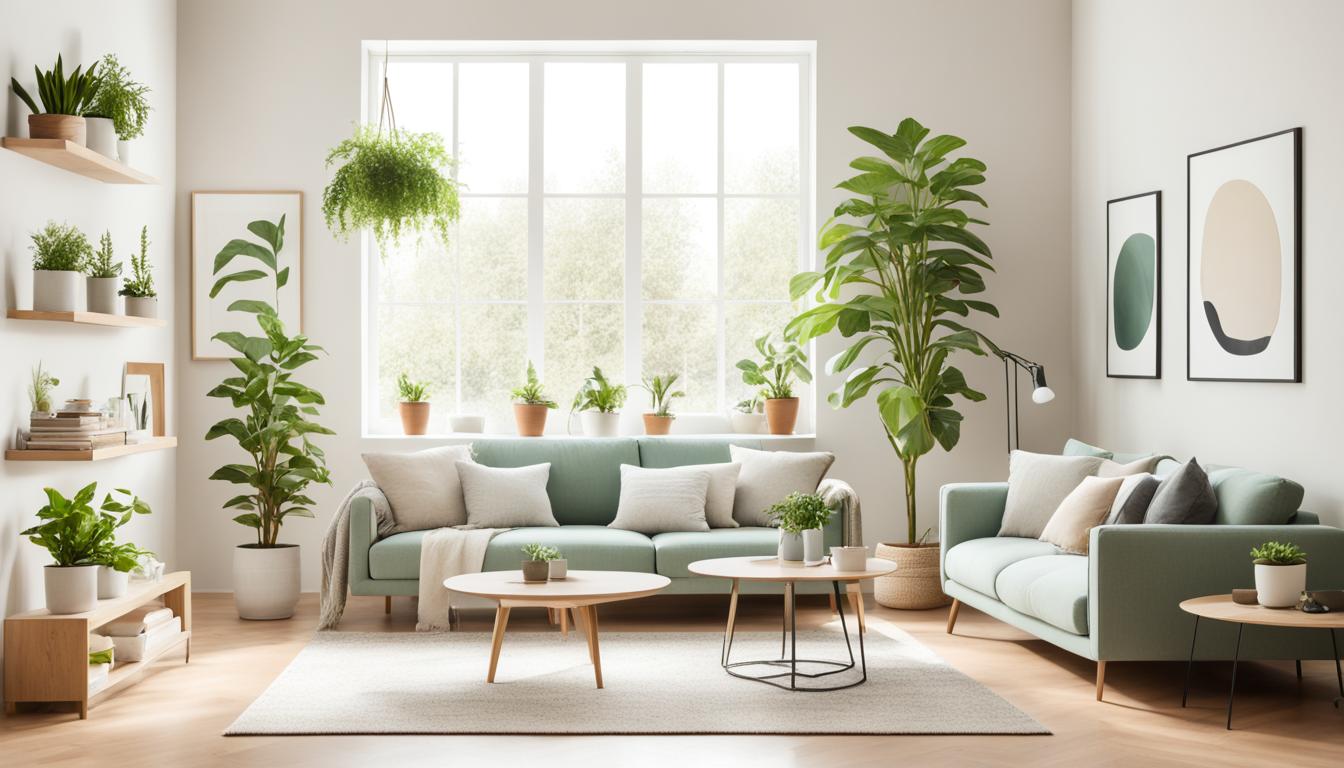
Welcome to our guide on decluttering your home. We aim to help you create a calm, organized space. Clutter causes stress and missing items. We want to show you how to rid your home of it. You’ll learn tips to get your space in order quickly.
Key Takeaways:
- Assess the extent of clutter in your home before starting the decluttering process.
- Create a step-by-step decluttering plan to make the process more manageable.
- Sort and categorize your belongings to decide what to keep, donate, or discard.
- Optimize and organize your storage spaces for efficient use of space.
- Streamline your daily routines to maintain an organized home in the long run.
Assessing Your Clutter
Before you start tidying up, understand your clutter. Knowing your clutter’s reach helps make a strong home organization plan. We will help you figure out what areas need your attention.
Walk around your house and look closely at each room. Check if things look nice and if they work well. Are there things everywhere, making it hard to find stuff? Do the tables and shelves hold too much? Take note of these messy spots.
Looking into closets and drawers is also crucial during clutter assessment. See what’s in there. Are things tidy or all jumbled together?
Keep your home’s ideal look in mind as you tidy. Think about what you want from each living space. This way, you can start with what needs fixing first.
Identifying Clutter Hotspots
Some places in your home collect clutter more than others. Knowing these clutter hotspots helps direct your cleaning. Let’s look at some common problem areas:
- The entryway: Lose items pile up and make a mess.
- The kitchen countertop: It’s easy for this space to become unusable.
- The bedroom floor: Clothes and shoes can clutter the floor.
- The home office desk: Papers and supplies can overwhelm this area.
Also, find where else clutter hides. This list of hotspots will guide your cleanup. It ensures the worst areas get dealt with first.
Remember, mess can hurt your mental and work life. A thorough clutter assessment is key to fixing this. It’s a big step to a happier, more organized home.
Next, stay with us to craft your perfect home cleanup plan. It’ll meet your needs and smash your home organization targets.
Creating a Decluttering Plan
A good decluttering plan is key to keeping your home organized. It can be easy to feel lost without a plan. To start, make a detailed plan. It will help you clean up your space more easily. Here’s how to kick off your decluttering plan:
Assess your space:
First, look at your home closely and spot clutter. This will let you focus on areas that need the most work. Think about each room and take note of messier spots.
Set realistic goals:
Decluttering takes time and can be hard. It’s crucial to set goals that are doable. Try breaking tasks into smaller steps. You might clean one room or type of thing at a time. This keeps you moving forward without getting overwhelmed.
Create a timeline:
Setting a timeline can keep your cleanup on track. Figure out how much time you need for each task. Then, fit it into your schedule. Making time to tidy up regularly is key.
Break it down:
Decluttering a big space can seem impossible. Instead, focus on small sections. Maybe start with one closet or a stack of books. It makes the job seem less intimidating.
Decluttering takes effort and time. Go at your own pace and cheer for every small win. With a plan and some hard work, you’ll enjoy a tidy and stress-free home.
Sorting and Categorizing
Decluttering your home starts with sorting and categorizing. By grouping things into categories, you know what to keep, toss, or donate. We’ll show you how to do it effectively.
First, pick areas where you can sort similar items. Assign zones for clothes, books, kitchen stuff, or memories. This makes sorting easier and stops clutter from spreading.
Once areas are set, look at each item closely. Consider if you use it often, if it means a lot to you, if it’s still in good shape, or if it’s useful.
- Do I use this item regularly?
- Does it hold sentimental value?
- Is it in good condition?
- Does it serve a practical purpose?
Decide what to keep, donate, or throw based on these questions. Remember, cleaning up is about making your home calm and orderly.

It can be tough to let go, especially of sentimental stuff. If it’s hard, take a photo or keep a small token. It helps you keep memories without the mess.
Using a system while sorting is also smart. Label bins for what’s staying, going to charity, or being trashed. This keeps things clear and speeds up cleaning.
Finally, cheer yourself on as you tidy up your space. Celebrate the steps you’re taking to a more organized life.
The Benefits of Sorting and Categorizing
Why bother with sorting and categorizing? It offers some great perks:
- Efficiency: It keeps your mind on track and saves you from re-checking things.
- Organized Space: You can make sure everything has its place, making it simple to locate items.
- Decision Making: Thinking about each item helps you make choices about what to keep and what to remove.
- Mental Clarity: A tidy home reduces stress and brings tranquility and mental peace.
Taking the time to sort your stuff paves the way for a neater, calmer home.
| Category | Purpose | Disposition |
|---|---|---|
| Clothing | Worn regularly | Keep or donate if in good condition |
| Books | Enjoyed reading | Keep or donate |
| Kitchenware | Used for cooking | Keep or donate if duplicates or rarely used |
| Sentimental items | Hold sentimental value | Keep or preserve memories with photographs |
Organizing Storage Spaces
Keeping your storage spaces organized is key to a clutter-free home. When everything has its own place, finding what you need gets simpler. We will share handy tips on maximizing and organizing closets, cabinets, and other storage spots.
1. Assessing Your Storage Needs
First, think about what you need to store. How much space do you need for different items? This step will guide you in finding the best storage solutions.
Pro tip: List everything you need to store, like clothes, kitchen items, or seasonal decor. This helps you choose the right storage and ensure everything fits well.
2. Utilizing Vertical Space
Don’t forget about the walls and vertical storage space. Adding shelves or stacking bins can double your storage. It’s a great way to fit more in.
Pro tip: Hang hooks or organizers for stuff like belts and scarves. This saves space for other things.
3. Investing in Space-Saving Solutions
Smart storage choices can really open up your space. Look for things like modular cubes or drawer dividers. They help keep your stuff easy to find.
Pro tip: Pick clear, stackable containers for easier organization. You won’t have to dig through them to find what you need.
4. Grouping Similar Items
Keeping like items together is a must for staying organized. It makes finding things a lot easier and prevents buying stuff you don’t need. Use containers or sections to sort and label your items.
Pro tip: Dividers inside drawers or bins can help. They keep things in their place and stop clutter from mixing.
5. Regularly Decluttering and Reevaluating
Even the best system needs some upkeep. Regularly clean out and review your storage. This is your chance to get rid of things you don’t use and make space for what’s important now.
| Storage Area | Maximizing Tips |
|---|---|
| Closets | Utilize hanging organizers, shoe racks, and storage bins. Consider using cascading hangers to optimize vertical space. |
| Cabinets | Use stacking shelves or under-shelf baskets to maximize vertical storage. Group similar items together and label shelves for easy identification. |
| Garage | Utilize wall-mounted storage systems, pegboards, or ceiling-mounted racks to free up floor space. Store items in clear bins or label containers for better organization. |
| Under Bed | Invest in under-bed storage containers or vacuum bags to store off-season clothing or bedding. Use dividers or boxes to keep items separated and organized. |
Follow these steps for a well-organized home with less clutter.
Streamlining Your Daily Routines
Efficient routines and good time management keep your home organized. By using methods that make your tasks easier, you save time and effort. This way, you keep your space tidy and welcoming.
Eliminate Time-Wasting Activities
The first step to efficiency is stopping activities that waste time. Look at how you spend your day. Find things that don’t make you more productive or happy.
This might be checking social media too much, looking at websites aimlessly, or watching TV for hours. By cutting these things out, you make room for what really matters.
Prioritize and Schedule
Managing your time well is vital. Start by picking out what tasks are most important. Then, organize your time with a calendar or planner.
Give more time to the important tasks and less to the small ones. Having a schedule helps you avoid putting things off or being unsure what to do next.
Establish Efficient Systems
A well-organized home needs systems that make daily tasks easier. Make spots for things you use a lot, like your keys. This stops you from searching for them all the time.
Use things like bins, dividers, and shelves to keep everything in its place. This helps you finish tasks faster and keep your home neat.
“Efficient routines and effective time management are crucial for maintaining an organized home. By making conscious efforts to prioritize tasks and eliminate time-wasting activities, you can create a more productive and harmonious living space.”
Delegate and Outsource
Getting others to help can make you even more efficient. Give some tasks to family or consider hiring help for cleaning, the yard, or making meals.
This lets you focus on keeping your home organized without getting too stressed or overwhelmed.
Cultivate Clutter-Free Habits
Getting used to keeping things tidy every day is key to staying organized. Encourage everyone to put things back where they belong. This keeps your space neat and easy to find things in.
Spend a bit of time each day cleaning up to prevent messes from getting out of hand. With effort, these habits will help your home be a calm and tidy place.
Making your daily life more efficient and organized has big benefits. Stop wasting time, set a good schedule, find systems that work for you, and get help with tasks. These steps help you keep a tidy home without stress.
So, begin to streamline your life today. Enjoy the peace and order in your home.
Maintaining a Clutter-Free Home
After you’ve cleaned up and organized, keeping a clutter-free home needs daily effort. Use these tips to stop clutter from coming back. This way, you’ll keep enjoying the order in your home.
1. Designate a Place for Everything
Assign a spot for every item to stop clutter. Use containers, baskets, and shelves. They make finding things easy and keep your space tidy.
2. Regularly Declutter and Donate
Declutter often to avoid a mess. Find things you no longer need. Donate these items to those in need. This keeps your home clean and helps others.
3. Implement Daily Cleaning and Organization Routines
Make daily cleaning a habit. Spend a few minutes each day putting things back. This prevents clutter and saves you time later on.
4. Stay Mindful of New Purchases
Think twice before buying new stuff. Ask if you really need it. Avoiding unnecessary items keeps your home clutter-free. It also helps you make smarter choices.
“The best way to maintain a clutter-free home is to adopt an ‘out with the old, in with the new’ mindset. Regularly reassess your belongings and let go of items that no longer serve you.” – Marie Kondo
These tips and habits can make your home stay tidy. Make a system, clean a bit every day, and be careful about what you buy. This can lead to a calm, clutter-free place to live in.

| Clutter Maintenance Tips | Benefits |
|---|---|
| Regular decluttering routines | Prevents clutter buildup |
| Designated storage spaces | Efficient organization and easy retrieval |
| Mindful shopping habits | Avoids unnecessary clutter accumulation |
| Daily cleaning and tidying | Maintains a clean and organized living space |
Decluttering Sentimental Items
It’s tough to part with things we love. This is especially true for items with personal memories. Yet, to have a tidy, calm home, we must deal with these things carefully.
It’s good to know our memories don’t live in physical objects. Even if something means a lot, we can let it go. Recognizing this helps us start straightening up with less stress.
Start by sorting your items into two piles: keep and let go. Think about each one’s importance and use. You can keep a few that really mean a lot.
“We don’t have to keep every sentimental item to cherish the memories. It’s about selecting a few meaningful pieces and letting go of the rest.”
Taking photos of items or creating digital records is another way. This saves space and still lets you remember. You could also give special items to people who will value them.
Deciding what to keep can take time. It’s okay to feel emotional about this process. Just remember, you’re making your home more welcoming and organized, not erasing the past.
Dealing with Guilt
Getting rid of special things can make us feel guilty. We fear losing the memories with the items. Yet, it’s crucial to know our memories are safe in our hearts, not our stuff.
Decluttering makes room for new joys and dreams. It can make your space and life feel lighter. This is a positive step forward, not a loss.
With care and thought, we can hold onto memories and keep our spaces tidy. It’s all about finding a good balance.
Seeking Professional Help
Sometimes, decluttering can feel too much. It’s good to get professional help. At [Your Company Name], we’re here for you. We offer services to turn your place into a clutter-free zone. Our experts know the best ways to make your home neat. They provide help that fits just what you need.
When you use our services, you get:
- Expertise and Experience: Our team knows a lot about clearing up. They’ve been doing this for years. They figure out what’s best for your mess and make a plan to fix it.
- Efficiency and Time Savings: Our professionals work fast. They use smart ways to save you time. This means you get a tidy home quicker.
- Personalized Solutions: We understand everyone’s different. Our team talks to you to find out what you need. Then, they create a plan that works just for you.
- Motivation and Accountability: It’s hard to keep going when you work alone. Our team keeps you going. They help make sure you reach your goals.
“Hiring a professional organizer was the best decision I made for my home. They not only helped me declutter and organize my space but also taught me valuable techniques that I can use in the future. I highly recommend their services.” – Jessica, satisfied client
Our team is ready to help, no matter how big the job is. You can turn your space into an organized, calm place. Let us assist you in getting rid of clutter.
Conclusion
By using these tips and tricks, your home can become a calm and tidy place. Decluttering isn’t just about cleaning up. It also helps clear your mind.
Start with small tasks and work your way up. It might not happen overnight. But, taking it step by step will get you there.
After clearing out, stay clutter-free by tidying daily. Avoid buying things you don’t need. And, check your stuff often to keep clutter away.
Having a tidy home helps you relax and be more productive. Enjoy your organized space and the calm it brings.
FAQ
How can I declutter my home effectively?
Start by looking at the messy areas and making a plan to clean up. Sort your things into different groups. Next, focus on arranging where you keep everything, making your daily tasks simpler, and keeping your home tidy. If it feels too much, getting help from a pro might be a smart move.
How do I assess the extent of clutter in my home?
Check each room to see what needs to go. Look at things you rarely use, that are broken, or just taking up space. Think about how much space you have and if everything fits well together. This will help you keep your home calm and in order.
What is a decluttering plan, and how do I create one?
A decluttering plan helps you get rid of your mess step by step. Begin by choosing what you need to clear first. Then, divide the work into smaller parts and set a schedule. It’s key to stick to your plan so you can get the job done right.
How do I sort and categorize my belongings?
Start by deciding what to keep, what to give away, and what to toss. For each thing, think about if it’s important to you or useful. It’s hard, but be real with yourself and let go of what you don’t really need.
How can I optimize and organize storage spaces?
First, get rid of stuff you don’t use anymore. Then, use boxes, shelves, and labels to keep what’s left in order. Remember to go through your things every so often and remove what you don’t need. This keeps your space free of clutter.
How can I streamline my daily routines to maintain an organized home?
Make habits that help you keep things clean every day. Clean regularly and know where everything goes. And remember, for every new thing you bring in, get rid of something old. This prevents clutter from building up. Spend a little time each day putting things back where they belong.
How can I maintain a clutter-free home in the long term?
To keep your home clutter-free, clean up every evening. Regularly get rid of things you don’t need. And think carefully before buying something new. Staying organized and using your space wisely is key.
How do I handle sentimental items when decluttering?
It’s tough to deal with things that bring back memories. Limit how much you keep and use a special box for just these items. Taking photos of them can also help. It’s the memories that are important, not the stuff.
When should I consider seeking professional help for decluttering?
If clearing your space feels like too much, or you’re not sure where to start, a pro might be just what you need. They offer personalized advice and can help you make tough choices. Having them around can keep you focused and motivated.