
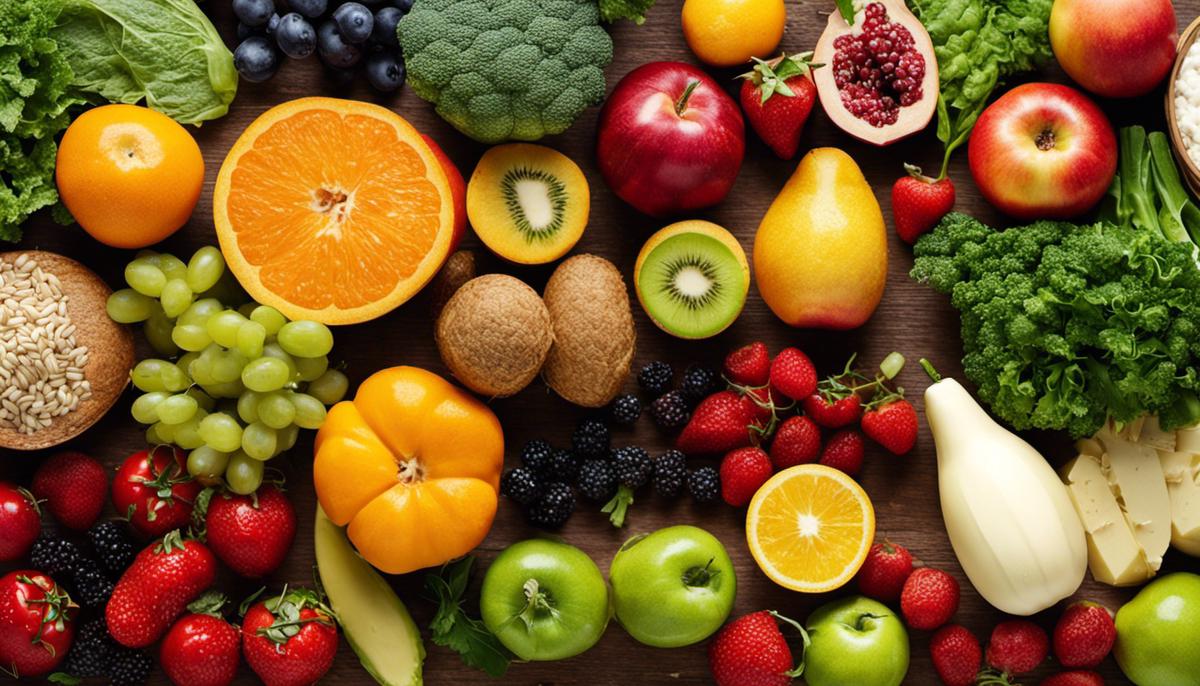
Nutrition shapes the foundation of our health and wellbeing, dictating the quality of our physical health, mental clarity, energy levels and even our emotional state. Yet, understanding the complex world of nutrients, macronutrients, micronutrients, and balanced diets can be challenging for many of us. Hence, embarking on a comprehensive exploration of these concepts can enlighten us and guide us towards informed dietary choices. Furthermore, we delve into the crucial roles of hydration and exercise not just in weight management, but in maintaining nutritional balance and achieving optimal health. Recognize that it’s more than just about eating right – it’s about cultivating a lifestyle that holistically respects and nourishes our bodies.
Understanding Basics of Nutrition
Unlocking the Key Foundations of Nutrition for Your Family
Ah, food! The basic necessity of life that not only provides our body with essential nutrients but also becomes the center of our numerous social calls like birthdays, Thanksgiving, or simple potlucks. It’s what brings our family together at the table for some fun, laughter, activities, and obviously, meals. But here’s the deal: we want our family involved in not just eating meals but also enjoying nutritious ones. Because, let’s face it, good nutrition is a cornerstone of a healthy and happy family life.
Today, we are going to journey through the key foundations of nutrition that are super important when preparing daily meals for our loved ones.
1. Balance:
Balance is a principle that revolves around the idea of consuming foods from all food groups, but in the right proportions. We’ve all been there, picking up another piece of pizza for a mid-afternoon snack. But let’s think about the portions of grains, proteins, fruits, vegetables, and dairy we are incorporating into our nourishment throughout the day. This balance also trickles down to the macronutrients – proteins, carbohydrates, and fats. So, a family dinner cooking session could be the perfect time to teach our kids about the perfect balance!
2. Moderation:
This one is a doozy. Occasionally, we might crave that pack of french fries from the fast-food joint around the corner. And it’s okay, as long as it’s “occasionally”. Moderation is about understanding that we don’t necessarily have to omit any foods. Instead, focusing on moderating our intake till it fits our calorie and nutritional needs is crucial. Throw in a healthy salad with the pizza; it might be a win-win!
3. Variety:
Picture this, a rainbow on your plate! Inclusion of various fruits, vegetables, protein, grains, and dairy ensures that our family receives a broad spectrum of necessary nutrients. This is especially important with our little ones, trying different foods can expand their palate and encourage healthy eating habits.
4. Nutrient Density:
Choose foods rich in nutrients relative to their calorie content. These are also referred to as nutrient-dense foods. Avocados, salmon, kale, garlic, shellfish, potatoes, liver, and blueberries are some of the powerhouse foods that are loaded with necessary vitamins and minerals.
5. Adequacy:
This means consuming the right amount of nutrients that meet your specific health needs and prevent nutrient deficiencies. Expecting mothers, teenagers, or older adults, every age-group has different nutritional requirements. Thus, meal plans should be customized accordingly.
The journey of nutrition is a wonderful path to tread on, nurturing our family with foods filled with care, and bonding over meal preparation. It’s all about taking that conscious step towards understanding the right balance, moderation, variety, nutrient density, and adequacy in our everyday food habits, and voila! We are on the ideal path supplying our family with the nutrients they need. And remember, every little step towards a healthier lifestyle not only nourishes the body, but also the soul.

Balanced Diet Planning
Planning a Balanced Diet: The Ultimate Guide
Drafting a balanced diet plan might seem an uphill task, but it certainly doesn’t have to be. With a little forethought, everyone can create a dietary plan that efficiently fulfills the need for all essential nutrients while maintaining the right balance, ensuring long-term health and wellbeing for the family. Garnering knowledge about the food groups and their nutrient composition is an excellent starting point. So let’s delve into the essentials of planning a balanced diet.
Firstly, understanding portion sizes is vital. It’s natural to get carried away when the food bears nutritious labels, but overeating – even healthy food – can harm. Knowing how much to eat from each food group can help maintain moderation, fostering a healthier, happier lifestyle.
Crossing the hurdle of portion size brings you to the world of food group knowledge. Familiarizing the family with the main food groups – fruits, vegetables, grains, proteins, and dairy – will offer colossal benefits in the long run. Each group provides distinct nutrients required by the body. For instance, fruits and vegetables are loaded with fiber, vitamins, & minerals. Proteins come packed with essential amino acids, while grains provide the needed carbs for energy. Dairy products, on the other hand, are known for their protein and calcium content.
Now, not all grains, proteins, or dairy products are created equal. The key to achieving a balanced diet lies in picking the healthier options within each group. Whole grains over refined ones, lean meats over processed versions, low-fat dairy products over full-fat variants, and plenty of fresh fruit and vegetables over canned or frozen varieties should be the choice. Prioritizing these healthier options immensely contributes to nutrient density.
The importance of incorporating more plant-based food cannot be overstated. It not only improves overall health but also adds an extra layer of protection against numerous chronic diseases. Plant-derived foods are naturally low in calories and saturated fats but rich in fiber and antioxidants, fitting impeccably into the balanced diet plan.
Remember, planning a balanced diet also warrants attention on when to eat, not just what and how much. Regular meals and snacks at consistent times can help avoid overeating or skipping meals. Regular eating routines can also sustain energy levels throughout the day.
With an array of food choices, food allergies and specific dietary needs shouldn’t hamper the journey towards a balanced diet. Gluten-free grains, plant-based proteins, and lactose-free milk are available nowadays to cater to these needs, ensuring adequacy in nutrient intake.
Last but not least, hydration plays a pivotal role in a balanced diet. A well-hydrated body functions optimally, whereas dehydration can lead to fatigue, headaches, and other health problems. Drinking plenty of water, reducing sugary beverage intake, and incorporating water-rich fruits and vegetables in the diet can maintain the body’s hydration levels.
Planning a balanced diet indeed demands effort and commitment. But remember, the payoff – a healthier, happier family – makes every step worthwhile. So, why wait? Start the journey towards creating a balanced diet plan today!

Role of Hydration and Exercise
The Power Hydration and Exercise Hold on Your Nutrition
It’s no secret that maintaining a balanced diet involves a lot more than just understanding portion sizes and making healthier food choices – you’ve got it down pat! However, there are other components to consider in ensuring a well-rounded approach to nutrition. Let’s delve into how hydration and exercise serve as vital nuts and bolts in the machine that is effective nutrition.
Firstly, hydration. It’s about more than just quenching one’s thirst, as critical as that may be. Water constitutes about sixty percent of our body weight. Interestingly, every system in our body depends on it. Water flushes toxins, carries nutrients throughout the body, aids digestion, and maintains the body’s temperature.
Have you ever noticed that when you’re dehydrated, you feel sluggish and drained? That’s because our brain is mostly water, and the slightest dehydration can impact our focus, mood, and energy levels. Hydrating properly – that’s about 2 liters of water daily for the average adult – you’ll keep these cognitive functions sharp and regulated, contributing to overall nutrition.
Next, let’s talk about another key component – exercise. Oh, the joy of movement! Exercise is like the secret ingredient that makes all of our nutritious food choices even more effective. This is due to the simple fact that exercise heightened the body’s metabolic rate, thus improving nutrient absorption.
Do you know that satisfying feeling when you’ve just finished a workout, and all you want to do is eat a nutrient-packed meal? That’s because as we exercise, our bodies demand more nutrients to recover and sustain energy. When we fuel this need with nutrient-rich foods, our bodies are in optimal nutrient-absorption mode.
Moreover, this isn’t only restricted to nutrient absorption. Regular physical activity can also improve cardiovascular health, strengthen bones and muscles, and boost mental health. Each of these positive aspects circles back around to support and promote our overall nutritional health.
Now, you might be thinking, ‘I don’t have the time for all of this.’ But here’s the thing: hydration and exercise don’t have to be a chore. Small, consistent steps are key. You could start by implementing a routine of drinking a glass of water every hour, or taking the stairs instead of the elevator.
As little as 30 minutes of physical activity a day can dramatically improve your metabolic rate. This doesn’t necessarily mean you need to spend those minutes lifting heavy weights in a gym, either! Instead, try adding things to your routine that you enjoy. This could be walking your dog, taking a dance class, jogging around the block, or playing catch with your kids.
In conclusion, the importance of hydration and exercise shouldn’t be underestimated. Just like a balanced diet, they play pivotal roles in maintaining and enhancing our nutritional health. Implementing these two pillars, we step into a holistic approach to nutrition that’s not only effective but equally enjoyable.

Targeting a lifestyle change is more than meeting nutritional requirements or following a diet chart. When we truly understand the intricacies of nutrition, we start viewing meals as opportunities to nurture our bodies with essential nutrients rather than mere sustenance. Mastering the art of balanced diet planning, portion control, regular hydration, and integrating physical activity into your routine, is key to long-term health and wellness. Remember, this journey towards nutritional enlightenment is not about perfection, but about progress, about making better choices one meal at a time, one day at a time. This is your invite to embark on this journey and embrace a healthier, more vibrant version of yourself.